Friday, December 13, 2013

Final Presentation Finally

Storytelling
What is storytelling?
Traditional methods
Non-traditional methods
Stories in the past and present
NOTES:Storytelling is one of those interesting things that can be defined in many ways. Because of this, it is easy to warp the definition to one that supports our own needs. I found one that made the most sense to me off of Wikipedia. “Storytelling is the conveying of events in words, and images, often by improvisation or embellishment.” In addition to the more traditional way of telling stories (orally), we have produced written stories and more recently film as a method to tell stories. The latter is the one I will focus my presentation on.
Stories were once used to teach specific lessons, explain the unexplainable, and to frighten others (mostly children) into behaving. Now stories are used much more to entertain and engage the mind, in business interactions, as well as to stir up our memories and bring people together.
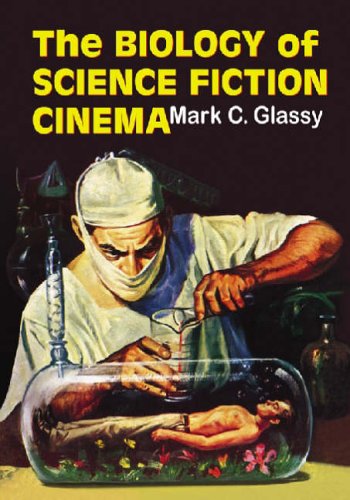
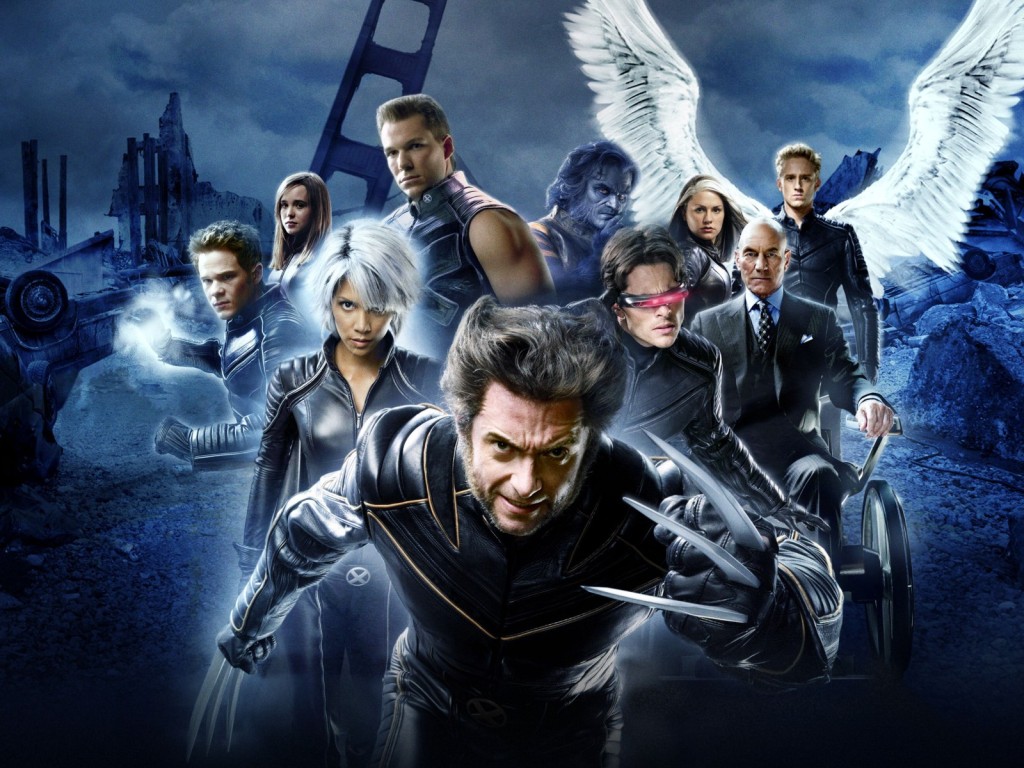
Stories are known to change and evolve. I believe they will continue to do so as long as people continue telling them. They will also change because of the information and advancements in technology that come about. Movies have evolved to become more realistic because of the advances in technology and medicine such as the breakthrough in the DNA genetic code and what it means. One example is the X-men movies.
In the X-men movies, certain genes in otherwise normal humans have mutated to give them specific powers and abilities. This shows significance advancements from the earlier science fiction films such as the 1910 version of “Frankenstein” which has the use of alchemy rather of the modernly accepted scientific studies.
(Kirby) and Wikipedia

What does this have to do with science?
Reciprocal affects on each other
Effects of Science Fiction films on interest in science
Public understanding increases
NOTES: Not only has biology impacted the film industry and other stories, but the film industry has had significant effects on biology and technology as well. Advancements have come in many ways and at different times. Some older films, like “Star Trek: Next Generation” had provided inventors with an idea on how to produce the next technology.
One teacher decided to test if films affected the amount of interest generated for science classes. In this course, they watched and critiqued science fiction films such as “Gattaca”, “Jurassic Park”, “The Day After Tomorrow”, and “Armageddon”. The students were tasked to discover the scientific accuracy of the movies they watched. Overall, students showed an increase in interest in science after watching several of these films which covered topics such as biotechnology, natural disasters, and making babies (genetically engineering them).
When films use technology, it allows for the general public to understand more fully what is possible in the scientific world. DNA and cloning are just a couple of the biological possibilities that have opened up to the public opinion because of films. Although the films are more advanced in how they portray the science, it does allow for many basic ideas to be uncovered.
(Laprise) and (Rose) and (Safran)

Genetics in Story
Eugenics
“Gattaca”
“Jekyll and Hyde”
Daedalus and the Minotaur
NOTES: Eugenics is the science of using controlled breeding to create a species of humans with more desirable characteristics while weeding out the less desirable ones. One infamous example of this was Hitler’s belief in a perfect race (blonde hair, blue eyes, etc).
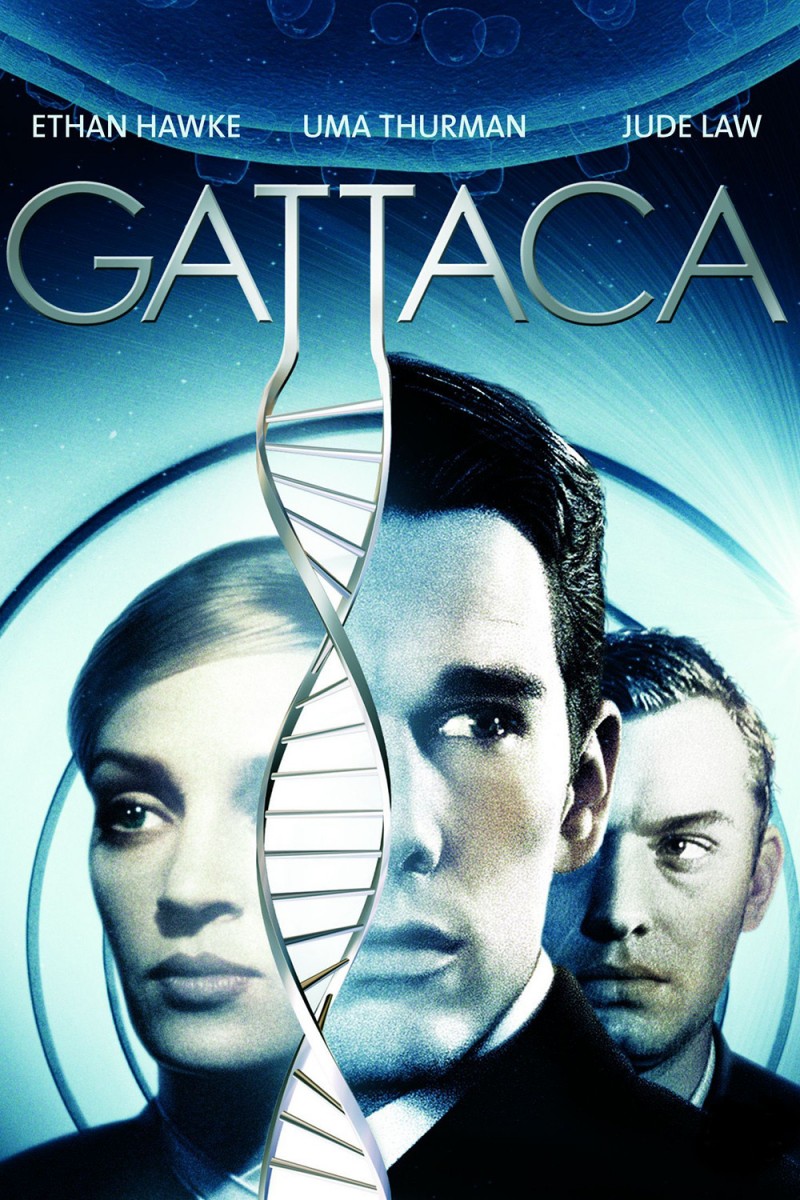
“Gattaca” was an interesting movie that focused on the separation of the elite (those with good genetics) and those that could only get menial jobs because they were the “god” children (their parents did not choose the genes for the child). While this may be considered an extreme example of prejudice and discrimination, it is used to show the inferior vs genetic elite yet leaves the consumer to decide which was the true monster.
“Jekyll and Hyde” is yet another story that is filled with genetic superiority. While Dr. Jekyll is considered a genius, Mr. Hyde, his counterpart is outwardly a monster as well as inwardly. He represents the evil nature inside each of us, and what would happen if we were to let it out.
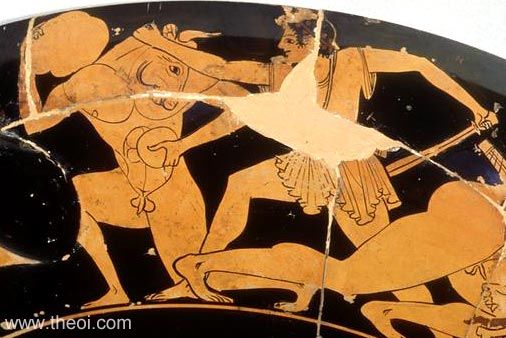
Going back even more, we have the Greek myth of the inventor Daedalus and his minotaur inside the labyrinth. Daedalus is an interesting character from the myths. He was an inventor with little respect to the gods or others. Essentially, he did what he wanted to. His minotaur was a genetic experiment of breeding a woman with a bull. It was successful and he locked this creation inside his complex labyrinth which was built for King Minos of Crete.
(Jeffreys) and (Haldane) and (Kirby)

Film's Impact on Science Fiction
Science Fiction!
1950’s
Disney
Cloning
NOTES: Science Fiction has had an incredible impact on the knowledge that we have of science. There are several films that have impacted the knowledge advancements in said field. In 1954, Walt Disney took on a film project far beyond its time with its production of “20,000 Leagues Under the Sea”. It was the first film to use special underwater filming for several scenes. Disney then ran a special on the making of the movie that aired for several months and was in high demand because it showed several technology
Unfortunately, along with the advances that come from film, we also have some public misconceptions. Cloning is something that is continually wrongfully displayed in film. Instead of striving for historical accuracy, they just make it for a good story.
(Huebner, Eberl, and Telotte)

Conclusion-ish
Where would we be without storytelling and English? Without modern medicine, science, and technology?
Science is all around us, as is storytelling, it only makes sense that they would bounce off of, improve, modify, and test one another’s boundaries.
NOTES: “the impact of modern medicine in Western Europe “has had almost, if not quite, as deep an effect… as the industrial revolution.””- Haldane/Jeffreys

Without storytelling, humans could not have evolved even half as far. There would be no understanding between each other and no way to convey the lessons we learned to others. English covers many aspects of literature including being used in the production of films. However, without modern medicine, science, and technology our species would still be in a primitive age with lower life expectancy and a high infant mortality rate. Many of us would not even have lasted this long.
(Jeffreys)

Sources
Eberl, Jason T. "I, Clone: How Cloning Is (Mis)Portrayed in Contemporary Cinema." Film & History: An Interdisciplinary Journal of Film and Television Studies 40.2 (2010): 27-44. Project MUSE. Web. 10 Dec. 2013. .
Haldane, J.B.S. "DAEDALUS or Science and the Future." Heretics, Cambridge. Cambridge University, Cambridge, England, U.K.. 4 Feb 1923. Reading.
Huebner, Andrew J. "Lost in Space: Technology and Turbulence in Futuristic Cinema of the 1950s." Film & History: An Interdisciplinary Journal of Film and Television Studies 40.2 (2010): 6-26.Project MUSE. Web. 14 Dec. 2013. .
Jeffreys, Mark. "Dr. Daedalus And His Minotaur: Mythic Warnings About Genetic Engineering From J.B.S. Haldane, François Jacob, And Andrew Niccol's Gattaca." Journal Of Medical Humanities 22.2 (2001): 137-152. Psychology and Behavioral Sciences Collection. Web. 3 Nov. 2013.
Kirby, David A. "The Devil in Our DNA: A Brief History of Eugenics in Science Fiction Films." Literature and Medicine. 26.1 (2007): 83-108. Web. 4 Oct. 2013.
Laprise, Shari, and Chuck Winrich. "The Impact of Science Fiction Films on Student Interest in Science."Journal of College Science Teaching. 40.2 (2010): 45-49. Web. 27 Oct. 2013.
Lounès Chikhi. "Update to Chikhi et al.'s "Clinal Variation in the Nuclear DNA of Europeans" (1998): Genetic Data and Storytelling—From Archaeogenetics to Astrologenetics?" Human Biology 81.5 (2009): 639-643. Project MUSE. Web. 3 Dec. 2013. .
Rose, Christopher. "How to Teach Biology Using the Movie Science of Cloning People, Resurrecting the Dead, and Combining Flies and Humans." Public Understanding of Science. 12.3 (2003): 289-296. Web. 27 Oct. 2013.
Safran, Stephen P. "Movie images of disability and war: Framing history and political ideology." Remedial and Special Education. 22.4 (2001): 223. Web. 1 Nov. 2013.
Telotte, J. P. "Science Fiction as "True-Life Adventure": Disney and the Case of 20,000 Leagues Under the Sea." Film & History: An Interdisciplinary Journal of Film and Television Studies 40.2 (2010): 66-79. Project MUSE. Web. 10 Dec. 2013. .

Tuesday, December 3, 2013

Presentation Outline

I went for a very basic outline and posting for my slides, but I have lots of information covered in my notes. I hope this works! I'm not sure what happened to my brain. I have had this presentation done for a few days, but forgot entirely that we needed to post to our blogs about it until I logged onto canvas today...

What is storytelling?
Traditional methods
Non-traditional methods
Stories in the past and present
English

What does this have to do with science?
Reciprocal affects on each other
Effects of Science Fiction films on interest is science
Public understanding increases

Genetics in Story
Eugenics
“Gattaca”
“Jekyll and Hyde”
Daedalus and the Minotaur

Sources:
Haldane, J.B.S. "DAEDALUS or Science and the Future." Heretics, Cambridge. Cambridge University, Cambridge, England, U.K.. 4 Feb 1923. Reading.
Jeffreys, Mark. "Dr. Daedalus And His Minotaur: Mythic Warnings About Genetic Engineering From J.B.S. Haldane, François Jacob, And Andrew Niccol's Gattaca." Journal Of Medical Humanities 22.2 (2001): 137-152. Psychology and Behavioral Sciences Collection. Web. 3 Nov. 2013.
Kirby, David A. "The Devil in Our DNA: A Brief History of Eugenics in Science Fiction Films." Literature and Medicine. 26.1 (2007): 83-108. Web. 4 Oct. 2013.
Laprise, Shari, and Chuck Winrich. "The Impact of Science Fiction Films on Student Interest in Science."Journal of College Science Teaching. 40.2 (2010): 45-49. Web. 27 Oct. 2013.
Lounès Chikhi. "Update to Chikhi et al.'s "Clinal Variation in the Nuclear DNA of Europeans" (1998): Genetic Data and Storytelling—From Archaeogenetics to Astrologenetics?" Human Biology 81.5 (2009): 639-643. Project MUSE. Web. 3 Dec. 2013. .
Rose, Christopher. "How to Teach Biology Using the Movie Science of Cloning People, Resurrecting the Dead, and Combining Flies and Humans." Public Understanding of Science. 12.3 (2003): 289-296. Web. 27 Oct. 2013.
Safran, Stephen P. "Movie images of disability and war: Framing history and political ideology." Remedial and Special Education. 22.4 (2001): 223. Web. 1 Nov. 2013.

Sunday, November 10, 2013

The Ending of a Good Story

"The future will see an intensification, even a perfection, of what draws us to fiction in the first place."-Johnathan Gottschall.
When Gottschall says this in his book, he is talking about the evolution of story and just finishing up an interesting section on "reality" tv shows. I think that this statement sums up a large portion of his entire book (and his argument). There are certain things that draw us to fiction: characters, their predicaments, and the characters being freed from their problems. These things are easy to point out in the various forms of storytelling and Gottschall is using it to paint us a picture of how the future will look for storytelling. The various advances in technology are allowing stories to change and evolve based on decisions made by the readers/characters of the story. It is an intriguing point of view and I am inclined to agree with him that storytelling will never fade. In fact, I am one to believe that even the novel won't fade from view entirely. With the new Kindles, Nooks, and other e-readers out there, the novel is more easily accessible than ever and will continue to thrive within society. Storytelling itself will continue to evolve in some ways but the spoken story will remain forever a large part of storytelling so long as humans are just that; human.

I did find one source that disagrees with Gottschall and shows the "death of the novel" rather than how story will continue forever. I read through it and was forced to laugh because of how far off I believe it to be. I have already told my thoughts how how story will evolve including the change in the 'novel' itself.
Scott Branson. "Gide, Wilde, and the Death of the Novel." MLN 127.5 (2012): 1226-1248. Project MUSE. Web. 09 Nov. 2013. .

My own research this week was a review/ in depth reading of the sources I have currently and eliminating ones that are too repetitive or aren't focused enough on my topic of choice (how biology has affected the film aspect of storytelling), but I am keeping my other topic on the backburner just in case this one falls through. The sources I have found for this first topic have been listed on previous blog postings, so if you're really curious, feel free to go back through them!

Sunday, November 3, 2013

My Story is Better Than Yours

It is my belief that, after doing the assigned reading, it is impossible to write a 100% truthful memoir or autobiography. It is interesting how each person can remember the same occasion in entirely different ways and with strikingly changed details. Memory is something that can't be trusted by itself. Even interviewing others to make a memoir or autobiography "more accurate" doesn't work because their memory of events and conversations can 't be trusted any more than yours can. The only way you can trust the facts is if it has been officially documented. Our own stories whether written or spoken should be taken with a grain of salt because our memories skew the truth. No memoirs are considered completely truthful.
I am inclined to believe that this claim about our memories not being truthful was completely supported by his later claim. We do make up stories and change our belief about the truth we remember. It changes with how our perceptions bend the truth or how other people tell us it happens. When people relate their own truths to us, it can change how we remember certain events ourselves. It is yet more evidence and examples that our memories cannot be relied on for the 100% honest-to-goodness truth.

Jeffreys, Mark. "Dr. Daedalus And His Minotaur: Mythic Warnings About Genetic Engineering From J.B.S. Haldane, François Jacob, And Andrew Niccol's Gattaca." Journal Of Medical Humanities 22.2 (2001): 137-152. Psychology and Behavioral Sciences Collection. Web. 3 Nov. 2013. This source is one that demonstrates the connection between the film industry and our understanding of biology (more specifically for this case, genetics and bioethics). It is an intriguing article that also pulls quite a bit from the stories of old myths (from Greece).

Safran, Stephen P. "Movie images of disability and war: Framing history and political ideology." Remedial and Special Education. 22.4 (2001): 223. Web. 1 Nov. 2013. This article talks about genetics (disabilities) as the human weakness and how there are many instances when people believed that people with disabilities should be "taken out of the gene pool". It also uses several Hollywood films to back up this claim.

Sunday, October 27, 2013

Researching Research...

Film and Biology:
The affects of biology on the film industry is probably the topic that interests me the most, however it is extremely difficult to find articles that are relevent to it.

Public understanding of science based on movies:
"While popular culture is generally acknowledged to have some impact on public opinion of science, attempts to evaluate this relationship have focused largely on how the public perceives science, rather than how well they understand it". This teacher uses biology based movies for discussing the more interesting aspects of science such as cloning, artificial intelligence, and recombining animals.
Rose, Christopher. "How to Teach Biology Using the Movie Science of Cloning People, Resurrecting the Dead, and Combining Flies and Humans." Public Understanding of Science. 12.3 (2003): 289-296. Web. 27 Oct. 2013.

Effects of eugenics on the fiction film industry:
It goes through the different eras over the last 100 years and describes how the history of eugenics has affected a specific genre of movies (as film is a type of storytelling).
Kirby, David A. "The Devil in Our DNA: A Brief History of Eugenics in Science Fiction Films." Literature and Medicine. 26.1 (2007): 83-108. Web. 4 Oct. 2013.

Impact of films on student’s interest in science:
This article I found discuses how research was conducted in classes in a university. The students had to watch science fiction films in nonmajor related courses and they had to write a response discussing how realistic the films were to science. At the end of the course, a survey was taken to see how much interest the students had in science after the course.
Laprise, Shari, and Chuck Winrich. "The Impact of Science Fiction Films on Student Interest in Science."Journal of College Science Teaching. 40.2 (2010): 45-49. Web. 27 Oct. 2013.


Written Literature and Ancient Medicine:
This topic isn't quite as interesting as the previous one, but I still find it intriguing. There are several angles I could take with this research and it is intriguing to study ancient civilizations through their literature in regards to medicine.

Indians perception of wind in the body:
Early Sanskrit literature about the ancient five bodily winds. It goes on to determine the similarities to wind in the atmosphere and wind in the body. It focuses on the ancient Indian's views of bodily wind.
Zysk, Kenneth G. "The Bodily Winds in Ancient India Revisited." Royal Anthropological Institute of Great Britain and Ireland. 13. (2007): 105-115. Web. 27 Oct. 2013.

Using documents of ancient civilizations to understand disease and health:
The lectures share a concern for books, reading, and the life of the mind in the premodern age. It discusses treatments in early Western methods. Not my favorite source...
Stock, Brian. "New Literary History." Johns Hopkins University Press. 37.3 (2006): 489-501. Web. 27 Oct. 2013.

Ancient Greek literature affecting perceptions of female gynecology:
This article goes in depth about how the literature of ancient Greece allows a glimpse into the several problems/experiences of women with gynecological medicine and mythical constructions.
Bachvarova, Mary R. "Io and the Gorgon: Ancient Greek Medical and Mythical Constructions of the Interaction Between Women’s Experiences of Sex and Birth." Project Muse. 46.3 (2013): n. page. Web. 27 Oct. 2013.

Treatment for diseases- Islamic Dr in the Middle Ages:
It is about some papers written during the Middle Ages by an Islamic man about treating sicknesses of the poor. It was of a genre that was popular during this time period called "medicine for the poor".
Bos, Gerrit. "Ibn Al-Jazzār on Medicine for the Poor and Destitute." Journal of the American Oriental Society. 118.3 (1998): 365-375. Web. 5 Oct. 2013.

Sunday, October 20, 2013

People Made of Ink

"Among the books burned that night in 1933 was the play Almansor (1821) by the German Jewish writer Heinrich Heine. The play contains this famous and prophetic line: “Where they burn books, they will also ultimately burn people.”"- I absolutely loved this quote. It helped put the whole chapter into perspective for me. It really helps cement the point that Gottschall was making with the effects characters have on people. Surprisingly, this is the first chapter when I have agreed with Jon Gottschall almost entirely. His use of examples when describing how books change peoples personalities, while extreme, were very persuasive. Gottschall's examples included the ever argumentative and speculative questions surrounding Adolf Hitler.
It is hard sometimes for us to think of Hitler of being human and the way that Gottschall described him was done to make it the story of a complicated life of a teenager with a passion. This is not much different than many other books (fictional and otherwise) that are used to suck in the reader. Our personality changes little by little with each story that we encounter. One such example of this is how J.K. Rowling changed the world through her enticing Harry Potter series. How many people's lives were changed as they anticipated the next book/movie to be released?
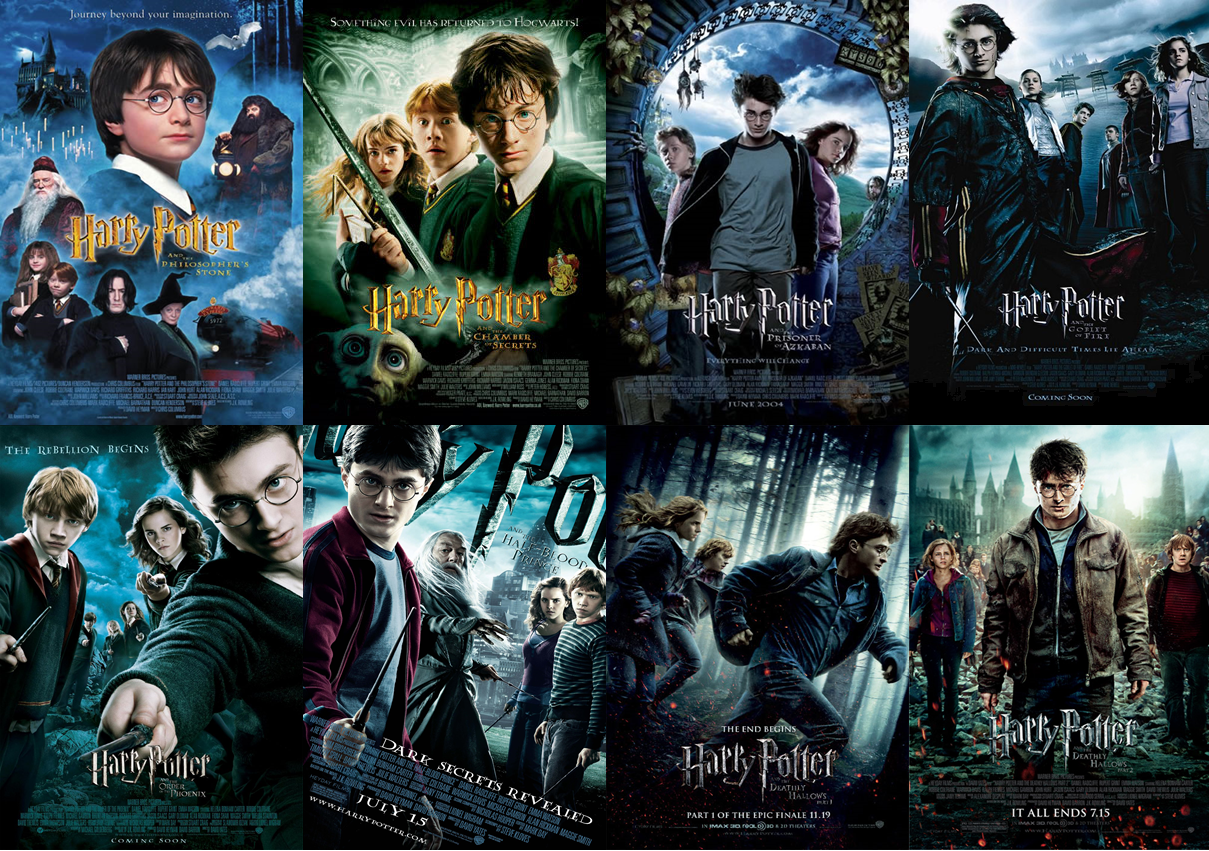
How much money did the average human spend trying to buy the latest "Bertie Botts Every Flavor Bean" package, the next book "Fantastic Beasts and Where to Find Them" with notes by Harry, Ron, and Hermoine (fictional characters!), or even the latest Harry Potter games? These characters that J.K. Rowling painted with words into our head have changed how people view others. They have changed the personalities of several young readers and brought new terms to conversations that would never have been otherwise.
On the other side of the spectrum, it is hard not to think that people have been changed by the comic books recently made into several popular movies ("Captain America", "Thor", "Iron Man", and the one that brought these heroes together, "The Avengers"). How many children have changed their games of make believe based on these movies being released? While these movies are very obviously make believe, there are parts of the brain that overlook this simple fact to exclaim the incredibleness and possibility of these movies.
There are hundreds of books, movies, or stories released that have had the ability to change the one consuming it. These stories have changed our own personalities, our interests, how we talk, or even some (such as Ray Bradbury's "Fahrenheit 451", which I disliked to a certain degree) have changed how we think and our ideas about right and wrong. Stories and especially the characters within, are able to change us in many subtle (and sometimes not so subtle) ways.

I will be the first to admit, my research took a definite hit this week due to the number of tests I had. I anticipate being able to pick up the slack now that my midterms and other exams are done for the time being. This research is going to take a much higher priority this week.

Sunday, October 13, 2013

Reading Responses

“Writers are often lonely obsessives, especially the literary ones. It’s nice to be told what we write is of social value."-Louise Erdrich (Belluck A1).
"Story is the counterforce to social disorder, the tendency of things to fall apart" (Gottschall 1634-1635).
I like these two quotes a lot mainly because they discuss the importance of story in society. I just thought I would share them because I enjoyed them so much. My two emphasis areas are biology and English.

Now onto the real post:
I began my research project soon after reading chapter 7 in Jonathan Gottschall's book "The Storytelling Animal" and an intriguing article in The New York Times, "For Better Social Skills, Scientists Recommend a Little Chekhov" by Pam Belluck. This article inspired me to question, what biological responses are triggered in the human brain in response to stories. Whether reading, listening, or watching, is the human response something that is the same in all or different depending on the person? When I performed the research before the actual test, I found an intriguing article about how humans exhibited biological responses to the characters in stories and their actions (Deen, McCarthy 1607-1615). I thought this could have been taken a bit farther and used to determine if humans have an empathetic response to the characters in their stories. I have set up several groups of people (of varying ages), chosen an excerpt of a book to read that will elicit an emotional response, and determine if it is similar to others reading the same excerpt. All that is left is to perform the actual experiment and determine what my data results in. I believe that this will work and that many will show to exhibit the same empathetic response to the character in the story and that it will exhibit itself in biological symptoms that can be mapped.
While this isn't an acutal research project that I have done, I would fine it as one intriguing to perform if given the ample time and resources. Does anyone else think it would have the same results? Does anyone think that the results will be different?

Belluck, Pam. "For Better Social Skills, Scientists Recommend a Little Chekhov." New York Times. 03 OCT 2013: A1. Web. 13 Oct. 2013.
Deen, Ben; McCarthy, Gregory; Reading about the actions of others: Biological motion imagery and action congruency influence brain activity, Neuropsychologia, Volume 48, Issue 6, May 2010, Pages 1607-1615, ISSN 0028-3932, http://dx.doi.org/10.1016/j.neuropsychologia.2010.01.028.
(http://www.sciencedirect.com/science/article/pii/S002839321000045X)
Gottschall, Jonathan (2012-04-10). The Storytelling Animal: How Stories Make Us Human (Kindle Locations 1634-1635). Houghton Mifflin Harcourt. Kindle Edition.

Monday, October 7, 2013

Fountains of Knowledge

I initially had a difficult time trying to think of which topics to write about. I have a hard time integrating biology and English for the most part. However, I did find a couple of topics that interested me and a source to go with each.
The first article the really seemed to stand out to me was on DNA and how eugenics have affected the film industry. It is called "The Devil in Our DNA: A Brief History of Eugenics in Science Fiction Films" by David A. Kirby. It is interesting to me because goes through the different eras over the last 100 years and describes how the history of eugenics has affected a specific genre of movies (as film is a type of storytelling). More specifically it discussed its affect on science fiction films such as Life Without a Soul (1916) or even the more popular X-men films. In the former of the two films (as an adaptation of the novel "Frankenstein" by Mary Shelly, the main character uses alchemy to create the perfect human. This shows a very rudimentary understanding of genetics and what makes humans the way that we are. In the latter of the two, the producers chose to take some time in the films and show how it is sections of DNA that have mutated to allow certain people to have so-called "superpowers". This film franchise has taken our much greater understanding of DNA and used it to make the story more plausible. This leads me to wonder how much advances in the field of science have added to the film industry (Kirby 83-108).

The second article I found was a vastly different type of problem. It is about some papers written during the Middle Ages by an Islamic man about treating sicknesses of the poor. It was of a genre that was popular during this time period called "medicine for the poor". This physician (who has a ridiculously long and complicated name) wrote a number of medical texts including one called "Medicine for the Poor and Destitute" which covered treatments for diseases from headaches to podagra (or gout). While it discussed the treatments for various ailments, it said little about the causes or the symptoms of them. The recipes for these remedies are considered somewhat "magical" in nature and contain ingredients such as urine or animal excrement. While this seems disgusting and unhealthy to us (because of the modern medicine and a better understanding of diseases, it helps to show what life must have been like in this time period. It is a glimpse into the story of a people that might otherwise have not been known to us (Bos 365-375).


Bos, Gerrit. "Ibn Al-Jazzār on Medicine for the Poor and Destitute." Journal of the American Oriental Society. 118.3 (1998): 365-375. Web. 5 Oct. 2013.
Kirby, David A. "The Devil in Our DNA: A Brief History of Eugenics in Science Fiction Films." Literature and Medicine. 26.1 (2007): 83-108. Web. 4 Oct. 2013.

Sunday, September 29, 2013

Alluding to the Brain

This weeks reading was particularly interesting to me because it allowed for the perfect way of combining my two emphasis areas. Aside from that, it was also interesting to me because he covered some very unique and diverse topics within one chapter. The three areas that piqued my interest the most were the split-brain patients, the mental-illness in writers, and conspiracy theories. The last interested me mainly because I have never been one to give much credit to conspiracy theorists. In one article I found about conspiracy theories it said that people who were more likely to participate in one such conspiracy are much more likely to believe in a similar one. I thought this was kind of fun and fascinating (Douglas, and Sutton). What causes people to invent conspiracy theories? The one that helped combine my two areas of emphasis (English and Biology) was the mental-illness in writers. Gottschall pointed out several authors that have written books while experiencing symptoms of mental illness (including addictions). One article I read searched through Norwegian, Danish, and Swedish libraries to find books by people with mental illnesses. While most of the books that they studied were autobiographies, this caused me to wonder; does the mental illness cause them to become writers? Or are they writers at heart and just do so when they find a topic to write about (their mental illness)? It is something that I wondered while reading this article ((Anderson, and Larsen)


Anderson, Anders Johan W., and Inger Beate Larsen. "Hell on earth: Textual reflections on the experience of mental illness." Journal of Mental Health. 21.2 (2012): 174-181. Web. 29 Sep. 2013.
Douglas, Karen M., and Robbie M. Sutton. "Does it take one to know one? Endorsement of conspiracy theories is influenced by personal willingness to conspire." British Journal of Social Psychology. 50.3 (2011): 544-552. Web. 29 Sep. 2013.

Sunday, September 22, 2013

Dreams Don't Come True...?

"Dreaming permits each and every one of us to be quietly and safely insane every night of our lives." (William Dement) "Trouble is the fat red thread that ties together the fantasies of pretend play, fiction, and dreams." (Jon Gottschall) While these two quotes seem to have relatively little in common, with some thinking they become closer than one could even "dream". Dreaming is something that each of us do each night whether we remember it or not. However, when we do remember our dreams, they are often rife with trouble (that so called "fat red thread"). In an article, it discusses how dreams are sites of creativity and agency as well as a means for inventing new forms (Kirtsoglou 321-335). While this article didn't directly discuss how dreams are insane, I was inclined to think about how most creative ideas are considered "insane" by those that can't quite grasp the beauty behind the idea. Another article I found completely wonderful was one discussing the similarities between animals dreams and humans dreams. It concentrated on some research done regarding neuroscience and behavioral biology. It goes into the belief that dreams "perform a crucial function in all animals." This article also goes in depth into the study mentioned in Gottschall's book about the cats with the centers removed from their brains to study their sleep cycles and dreams. I enjoyed very much reading the biological studies talked about within this article (Stevens 53).


Kirtsoglou, Elisabeth. "Dreaming the Self: Unified Approach towards Dreams, Subjectivity and the Radical Imagination." History & Anthropology. Sep 2010: 321-335. Web. 22 Sep. 2013.
Stevens, Anthony. "JUNGIAN PSYCHOLOGY, THE BODY, AND THE FUTURE." Journal of Analytical Psychology. Jul 1995: 353. Web. 22 Sep. 2013.

Sunday, September 15, 2013

Suicidal Tendencies

One definition of "storytelling" that I found online states that contemporary storytelling includes cultural preservation, instillation of moral values, history, personal narrative, political commentary, and evolving cultural norms. This supports Gottschall's theory when he says "There is a yawning canyon between what is desirable in life and what is desirable in fiction." The moral values that are taught in stories change between the various cultures, but the results are always the same. What is desirable in life is very different than what is desirable in our stories. One study contradicted this theory by saying that stories are so much more than that. It said that readers have to be socially, psychologically, morally, emotionally, and cognitively involved in a story in order for it to affect them in any significant way. Not only that, but it says that across many different cultures, all stories will affect people in the same way.
Again, in Gottschall's section of the book called "A Mirror of Life?", he indicates that stories of wish fullfillment don't tempt us nearly as much as stories of people that have actually lived exciting lives. Another study I read stated the opposite. It examined the various myths from Norway, Iceland, and Finland that said as soon as the lives of the protagonist got difficult, they ended their lives in various methods of suicide (sometimes before the adventure or excitement even got started)! The conductors of this study also said that suicide provided the protagonist an escape from any excitement. This directly contradicts what Gottschall was saying in his book.

Friday, September 6, 2013

The Dark Side

Humans have an interesting fascination with the "darker" things in life and storytelling. Our ears immediately tune into the sounds of people gossiping. We are completely enthralled with the scary parts in stories. Most of the dreams we may remember involve running from monsters, or murdering bad guys. Almost every story that we read/watch/listen/invent contain some sort of element that doesn't belong in a simple "happy" fairytale. A story isn't considered good if their isn't some sort of problem to overcome like aliens invading or a bad guy to make pay for his crimes. As readers, we look for books filled with excitement and adventure and, of course, a happily ever after sort of ending! Storytelling is something that has changed over time. For example, if you have ever read the original Grimm fairytales, you also remember how Cinderella's step sisters cut off their toes and their heels to try and get the glass slipper to fit. Or how one little girl didn't listen to the directions given to her and she couldn't take off her red dancing slippers. The only way she could stop dancing was to cut off her own feet. These stories were meant to either be told to little kids and teach them the importance of listening to the elders or to provide entertainment for adults to tell to each other (like how Little Red Riding Hood does a strip tease for the wolf in one version of the story). It is interesting to see how these "children's tales" have changed as society has progressed and really changed to be geared more to children with some scary elements removed and, like the Disney versions, a happily ever after with a prince. Now, however, there are more stories than ever before and adults are able to find their "dark" kicks from different sources than the old fairytales. We are drawn into stories in the mind set that they are a clear view into someone else's life with no negative side affects. Many of the darker elements of story draw adults in because it is what they are interested in or have questions about. Our minds elicit powerful images based on things we have seen or heard. The way we tell stories has changed through time and will continue to do so, but humans will never stop telling stories and they always have. As technology advances, stories change to incorporate things that have never been in stories before, but the basic story line has always been the same. Do you think stories have changed?

Monday, September 2, 2013

Dying or Thriving?

Storytelling is something that (as I've already said) is difficult to define. I think that stories are anything that can make us lose sight of the real world. Because of this, I think it is extremely easy to be sucked into several different types of "stories". And by that, I mean stories that most people wouldn't consider stories. I believe anything from books to video games to social media websites can be considered stories. What story changes more frequently than the news feed on Facebook? Or the video game your nephew gets sucked into for up to 12 hours a day? In the book "Narrative Across Media: the Languages of Storytelling" it talks about the several definitions that have been given to storytelling. I found myself agreeing with parts of their definitions, but never with a whole definition. I think it is something very individual and depends on each persons perceptions. The stories can change, but they all accomplish the same things; making us lose sight of the world around us and being sucked into our Neverland's. Dreams are also stories that the brain can tell us. They can have nothing to do with our real life or they can be all of our hopes being dashed. Stories can be told orally or visually, by thinking or through the written word. Every book is a story no matter the genre. Each T.V. commercial, radio commercial, or billboard tells its own story. One billboard in the Salt Lake area gets your attention because it is a lime green background with the words "Your wife is so hot... Get your A.C. fixed". No matter what, your eyes will be caught by the bright colored background or the first phrase will grab your attention because it isn't something you see everyday. It tells its own short story and immediately your eyes are drawn to several possible alternatives to where this billboard could be going.
Storytelling is something that is definitely a thriving art. It will never die so long as humans are alive to continue the stories. The definition of storytelling could possible change, but it will never dye completely until the human race dies. Neverland is hidden inside each of us. It is a place we return to several hours every day and night. Each person has a different idea for what Neverland is like and where it is, but it is in each of our minds. It controls much of our "thoughtless" hours with simple daydreams and at night with complex imaginings. It is where we are sucked to during our ours of listening/reading/watching of stories. It is complex and lovely and scary. Neverland contains our worst nightmares as well as our best dreams. It is something that changes as we grow older and becomes (in ways) more complex. Neverland is somewhere I choose to go a lot whenever I have free time and can open a book or put a movie on to watch. I enjoy most of my time in Neverland and imagine that most other people enjoy their time there as well.

Sunday, August 25, 2013

Story, Story, Story

Story number one:
Here begins the next phase of my blogging. I now have a class (Integrated Studies) that I have to keep a blog updated and post for my class. Hopefully this encourages me to post more regularly and maybe I'll even be able to continue once the class is over. Anywho, for those that are just beginning to find out about me, my name is Jillian Wyson. Since April of this year I have worked three part time jobs, gone to school full time, planned a wedding, changed my name, moved away from home, bought a piano, and traveled almost every weekend. Oh, and I got married! But that's just to name a few. I have since quit one of the jobs (so I'm only working two part time jobs now), and moved into some apartments within about 8 blocks of the college and both of my jobs. I work as a veterinary technician at both Animal Medical Hospital and Southwest Animal Emergency Clinic (it is an after hours clinic where I work the night shift). I was up until this week a lab technician out at the Blue Bunny Ice Cream Plant here in St. George and I'm sad to leave, but happy to have some more time to devote to school work, my husband, and sleeping! I have narcolepsy, so I fall asleep pretty much any time I sit down for more than five minutes. I enjoy working with animals and have a cat that has a mustache named Inspector Clouseau!

Story number two:
Enough about me! Now that I've probably bored you out of your minds with useless trivia about me, I will start on the real purpose of this post: Stories. Stories are something that are hard to define because they cover a wide variety of things. They are several different genres, there are several ways to tell them, changes are made by each person a story is passed from and they are told all over the world. Every culture has stories. During an English course (Intro to Mythology taught by Prof. Pilkington) I took here at the college, he once described how Myths are stories that are told in many cultures that contain the same elements, teaching a specific principle, and yet most of the people had never talked to each other. How could they tell the same story and be on opposite sides of the world? Stories are just like that. They capture the reader/listener perhaps without even meaning to. Everyone loves to hear a good story whether it started off as truth and was embellished or even if it could never happen. Stories help readers by opening their minds and their imaginations to what could happen, what could be. If only we could unlock the magic and make all of these things possible. People may claim that they like a good story so they can escape from the real world, but as was pointed out by David Eagleman, many times the stories are much more involved, filled with horrors and nightmares we can only imagine! What kind of a sick person would want to escape to that?! Stories come through to us in books (which is the most obvious one), movies, music, and simple everyday conversation. They are all around us, easy to access and beautiful to bring into our already bursting minds. Your friend tells you about their day and the story rolls off their tongue, across their lips, through the moving air, and into our listening ears. They are sharing a story. Maybe it's not the most interesting story you have ever heard, but you still listen awaiting the end, wondering how it'll end. Stories do help us to open our minds to things we never expected and yet can hold us back from the real world if we are not careful.

Story number three:
A story is considered good when it captures us in, begging not to be set down or stopped until the story has completed it's work. When the hero has won, has conquered and when the bad guy has become vanquished or stopped. A story is good if it contains the proper balance of good and bad. It must present the proper morals to the reader/listener. A bad story might be one that we don't like because it has a sad ending, but maybe we still consider those ones to be good (such as Old Yeller, or Where the Red Fern Grows). Eagleman's review of "The Story Telling Animal" helped me to determine what a story is in my mind as well as presenting some interesting insights into what stories do for humans. I also enjoyed the preface to Jonathan Gottschall's novel. His preface has helped me to understand a little bit more about why he wrote a book on this topic as well as to figure out a bit more his writing style. He was easily able to capture my mind and I devoured the beginning of the book enjoying his type of writing.

What do you consider a good story? What are your ideas behind stories? Do you consider our inherent need to tell stories as something ingrained within our DNA make up? Or do you think that it is just something that humans started doing to break up the monotony of life?

Wednesday, April 6, 2011

Heroes of a Nation: the Greatest Generation

(Based on the painting 7 AM by Edward Hopper)

This memory lost in the folds of time,
Tucked deep within minds sublime.
The cool air wafted through the trees,
Not a soul stirs except the bees.
A white store stands alone on the street,
Without any sounds, not even of feet.
Hanging alone on the wall a clock,
Beating a steady tik-tock, tik-tock.
A brilliantly blue summer sky,
Broken only by the bright circular pie.
The emerald green of trees so fresh,
With serene surrounding perfectly mesh.
The depths of the forest are teeming with life,
Hidden in darkness to cause some strife.

This memory lost in the folds of time,
Tucked deep within minds sublime.
With a terrible, horrible start,
Their whole World tumbled apart.
Though they started as friends,
Many quickly met their ends.
Through the horrors of battle,
They were herded like cattle.
Each fought so hard, each woman and man,
Each thinking the same, “If anyone, I can.”
Though battles were fought, no matter the cost,
The “once upon a time” peace was soon lost.
A lone soldier stands beneath the trees,
Not a soul stirring, not even the bees.

This memory lost in the folds of time,
Tucked deep within minds sublime.
Inside the minds of heroes of this Nation,
The single, the one Greatest Generation.


This poem I wrote for my AP Literature class, but I was very pleased with it, so I decided to share it all with you. I hope you enjoyed my poem :)

Thursday, December 16, 2010

Christmas Stars

By Jillian Schmutz

As we go about this busy season,
The gift I offer is the gift of reason.
To see the true light in your life,
Amidst the trouble and the strife.

Christmas is the time of year,
To which that special star does appear.
That star may not be seen by our poor eyes,
But inside each of us it doth surely rise.

To the surface of our minds,
Comes the lights of many kinds.
So let your star light continue to shine,
Remember, each of you are friends of mine!

The light of Christ shall light the way,
And yet the whole price He did pay.
Remember the Lord this Christmas season,
And use Him with your gift of reason.


I wish you all a merry Christmas and I hope you will take these words to heart this special time of year! Thanks for all of the friendships we share, and I hope you have a wonderful year! :)

Wednesday, September 8, 2010

Contest

I am entering an awesome contest to win some contemporary romance novels. here is the post the asked me to put out: Take The Contemps Challenge!

Tuesday, July 20, 2010

One Job's Beginning (and End) Part II

Emily exited her office and almost knocked on Emma’s door to ask for some legal advice on a case before she realized that Emma was seeing someone. ‘Oops’ She thought, ‘I need to be more careful.’ Instead she walked to the front of the building and decided to grab a quick lunch. “Marsha, I will be back in a few minutes, just going to grab a quick lunch. If Emma gets out before I’m back, have her call me, please. Also, would you like anything to eat?”
“Nope, I’m fine, thanks. I will have her call you.” Marsha said while Emily walked out the door. Emily absentmindedly noticed a car with two guys in it across the street and down a little bit. ‘Wonder what the deal is.’ She thought, ‘oh, well.’ She walked down the street toward the sandwich shop hoping that she had enough cash so she didn’t have to use a credit card.

Ryan watched Emily walk down the street away from them and nudged Josh, “Isn’t that the twin? What’s her name?”
“Yeah, that’s her. Emily Jane Adams. I wonder why she’s going out by herself.” They continued to watch her and they both started laughing, nervously when they noticed that she entered the sandwich shop that was down just three buildings. Ryan looked back at the building and realized that from this vantage point he could see a window that was open. He didn’t remember seeing that earlier. He pulled the binoculars out of the glove box and looked into it. He could see what he thought was the back of Emma’s head and she seemed to be in deep conversation with someone in the room.
“What do you see, Ryan?” Josh asked.
“Um…I think it’s the back of Emma’s head…She’s talking to someone in the room.”
“How did we miss someone going in?” Josh asked, obviously confused.
“I’m not sure. Maybe we both happened to be….” He let the sentence fade off.
“…Reading the files.” Josh finished for him. “Maybe it’s the guy…That Carson Thompson guy.”
“Maybe” Ryan mumbled more of to himself than to Josh.

Emma picked up the pen that was sitting atop her legal pad and proceeded to jot down notes here and there while this Mr. Thompson told all the details of her most recent case. This wife sure led a wild life; it wasn’t any wonder as to why he wanted a divorce. The only problem she could find was that, even though she thought she knew everyone from around here, she didn’t recognize the name; Charlotte Scarlet Thompson. She glanced over his shoulder and into Emily’s office but noticed she was gone, probably to lunch and hoped she grabbed something for her. Then, she realized Mr. Thompson had stopped speaking and she returned her attention to the present. “So, Mr. Thompson, why did you wait so long to get a divorce?”
“There were…circumstances that needed to be…resolved before we could move forward legally. And I don’t want her name associated with mine from now on and no connection whatsoever.” He explained hesitantly.
“If I am going to be your lawyer, I want to be sure you are giving me the truth.” She replied, looking him in the eyes.
“Just trust me.” He said in his coldest voice yet.
Emma forced a, hopefully natural looking smile onto her face and proceeded to lead him out of her office on down the hallway, where she watched him pick up her business card and exit the office.

“She’s standing up!” Ryan exclaimed excitedly, with a slight smile on his face. “We really need to make sure we watch the door to see if it’s him.” He glanced at Josh and saw that his eyes were glued to the door of the office. In less than four minutes, they saw the man they had been looking for walk out the door and start down the street after looking suspiciously around.
“What are we going to do now?” Josh inquired of Ryan.
“Honestly, I’m not sure... I mean, should we confront them right off the bat, or wait until we have some solid evidence?”
“Wait, I have an idea!” Josh practically shouted. “Here’s what we do…”

Emma walked quickly out of her office and down the hallway.
“Emma, Emily said to have you call her.” Martha said, pleasantly.
“Okay, will do.” Emma rapidly responded, while pulling out her cell phone. She pushed speed dial number two and stepped out of the chilly office and into the warm June sunshine. She listened to it ringing on the other line with her eyes closed and, feeling the sun light envelope and warm her all the way down to her toes, she smiled slightly. Emily picked up on the fifth ring and asked her what she wanted for lunch.
“Just my usual, turkey on wheat, no mustard would be great. Oh, I have a weird case to discuss with you when you get a minute.”

Josh and Ryan were grateful for the windows being rolled down and listened to the snippets of the phone call drift towards them.
“She’s definitely talking about the case.” Josh said hurriedly.
“Maybe not, maybe she’s talking about some other case.” Ryan defended her. Josh just rolled his eyes and listened as she ended the call and reluctantly left the warm sunshine and entered the building once again. “Let’s hope this crazy plan of yours works, Josh…”

Emily glanced at the clock; it was only 4:30. Maybe she could convince Emma that they should leave early… She crossed the hallway and knocked on the doorframe to Emma’s office. The door was wide open as was the window. Emma spun from facing the window and gave Emily a guilty look.
“Sorry,” Emma quickly said, “I guess I was just daydreaming again.”
“It’s okay, no biggie,” she replied, “Hey, I think we should head out of here early and go see if we can get our grocery shopping done in record time so we can go do something fun.”
“Okay!” Emma responded enthusiastically while winking, “maybe we can even pick up some guys!”
“Let’s go!” Emily was very excited to get out of there early and get to go somewhere a little bit more lively. They quickly got their offices picked up and ready to go for the next day and walked briskly down the hallway to the door. “We’re heading out of here early, so you’re welcome to leave as well.”
“Okay,” Martha said, chuckling softly, “I will see you both tomorrow!”

As Emma and Emily pulled their car away from the curb, Josh nudged Ryan from his light slumber. “They’re moving.” He said quietly and Ryan started and then rubbed the sleep from his eyes. They turned their car on and followed them, but at a pace that would seem very natural and not like they were being followed. They passed the parking lot of the local grocery store, even though they saw the girls turn into it. They waited until the next entrance for the parking to turn into it. They parked and got out of the car to follow the girls into the store. They grabbed a cart, and filled it with things they hoped would make it look like a normal shopping trip. They walked up and down the aisle searching for the two girls and as they turned down the cereal aisle, they saw them. They slowed down and tried to look more natural, like they were just picking out what kind of cereal they wanted. Josh and Ryan each had their ears pricked, trying to pick up their conversation, and once they were close enough to hear they turned and pretended to be looking and the different kinds of pop-tarts.
“Are you sure that was what he said?” Emily asked.
“Positive. He was being way weird about everything! And I know he was just lying to me. I can’t figure out what he wants us to do for him. He said it was a divorce, but I don’t recognize the name at all…” Emma continued on, kind of rushed to get it out.
“Well, I don’t know what to say… Maybe we should just tell him we don’t have enough evidence for the case and refuse to work with him.”
“I don’t think that would be a very good idea, though, Em...” Emma said slowly, “I feel like maybe he wouldn’t let us just drop it…”
“I know what you mean. Let’s just be careful about the things we say to him.”
“Okay. Thanks for the advice.” Emma stated gratefully. “So, what kind of cereal should we get this time?”
Josh and Ryan looked at each other, wondering exactly what was going on between the girls and Mr. Thompson, but they both agreed that it was time to put their plan into action.
“Josh, maybe we should get this kind of cereal.” Ryan said, starting to walk down the aisle pushing the cart while keeping his eyes glued to Josh.
“No, I like this kind better,” Josh said, looking right back at Ryan while walking along side him. “Maybe we should flip a coin, or something.
“No, let’s just get this kind today and we can…” CRASH! Their cart had smacked right into the girls cart when the girls weren’t paying attention.
“Oh my gosh, I’m so sorry!” Ryan said, even though he had known exactly what was going to happen. “I feel really bad! Oh man, I can’t believe that just happened…”
“It’s totally fine, not your fault at all!” Emma said, quickly while Emily checked over the items in the cart weren’t damaged. “We should have been paying more attention, I guess we were just a little involved with our conversation.”
“Oh no, it’s totally my fault.” He insisted. “By the way, my name’s Ryan.” He held out his hand to shake hers and was surprised to find that she had quite a strong grip for being as small as she was.
“I’m Emma,” she said, “and this is Emily.” Emily also held out her hand and quickly shook his.
“I’m Josh.” Josh said, smiling kind of sheepishly and shook both the girls’ hands. “Nice to meet you both.”
“So, are you both from around here?” Emily asked, striking up a small conversation.
“No, we’re from Washington D.C.”

As Ryan and Josh left the grocery store, after talking to the girls for quite some time, and making a double date with them for the next evening, they loaded the food that they didn’t need into the back of their silver Ford Escape.
“Well, that went much better than I expected!” Josh said, “Plus, we now have a way to find out more about them. We can see if they really are involved in the murder or not!”
“I sure hope they aren’t, they seem like really nice girls…” Ryan responded quietly. “They shouldn’t be mixed up with guys like Thompson.”
“I know what you mean. Maybe they aren’t, though. Maybe it’s all just a misunderstanding…”

“Wow, I can’t believe we really just got asked out by two really hot guys!” Emily practically squealed. “Oh man, I’m so glad we got off work early, otherwise we never would have met them!”
“I’m glad we got off early, too.” Emma responded, giggling, “They really are pretty cute! But, let’s head home now, I just realized that I’m super tired…”

When they arrived home to their small house that the two of them shared, Emma immediately went and loaded the computer up. She quickly got onto the internet and searched for Charlotte Scarlet Thompson. Only a newspaper clipping came up that said she had been missing for about a week, from her home in a town not far from there, where she lived by herself. It said that she husband had left her three years previous, but they had never filed for divorce. “Emily!” She called, “come look at this…” Emily came running in and read the article quickly.
“Well that’s not normal…” she said hesitantly, “and it describes her as the exact opposite of what that man said…”
“Yeah, now I’m not sure what to think, Em.”
“Me, either…” Emily sighed.

Part 3 will come out next week! Hope you all check back and enjoy!

Thursday, July 8, 2010

One Job's Beginning (and End)

Part 1
Emma and Emily, as twins, looked as different as night and day. Emma has straight brown hair and green eyes while Emily has wild blonde hair and blue eyes. Both are slender and exactly 5’7. Emily liked to play basketball while Emma preferred softball. Both got A’s through high school and college, working together to become successful lawyers. They worked extra hard, doing double courses, so they could graduate early.

Ryan and Josh had been best friends since middle school, where they had been in the same classes all through the day. They sat next to each other from band; both boys played the trombone, all the way down to math, in a higher class than most of the grade. Ryan has brown hair and brown eyes while Josh has blonde hair and grey eyes. They both played basketball and football in high school. At 26 they stand a little over 6 feet tall. They went through college together and had shared the same dreams. They currently work for the F.B.I., to be exact on their dream they acquired. As partners, they had gone through a lot together. Their next case was taking them to a small town out west; Rexburg, Idaho, a beautiful town, but it doesn’t hold many fun attractions for the two adventure seekers.

Emma and Emily waltzed into E&E law offices early Monday in the middle of June.
“Good morning.” The secretary, Marsha, stated.
“‘Morning!” Emma and Emily said simultaneously. They glance at each other and giggle.
“You have three letters, Emma, and you have four, Emily.”
“Thank you!” they both exclaimed, giggling again. Emma followed Emily down the hall but they entered their separate offices right across the hall from each other.

Ryan glanced at Josh, who was sitting on the passenger side of the car, and looked again at the brown brick building with the sign that read ‘E&E Law Office’.
“This is the best assignment we’ve ever had!” Ryan said.
“I totally agree!” Josh stated while loading his pistol, leaving the first chamber empty as a safety precaution. Ryan opened the folder and read a little more about Emma, almost wishing he could meet this incredible woman. Josh set the gun aside but within easy reach, waiting for the moment he would have to grab it quickly, hoping it wasn’t soon. He opened his mouth to speak, but stops as he looks at Ryan and realizes he’s again reading the folder on Emma. Josh rolled his eyes and the opened the center console and pulled out the other almost identical folder only this one was on Emily. When he opened the folder the first thing he saw was the picture of a slender girl with long curly blonde hair and captivating bright blue eyes. He reads her name ‘Emily Jane Adams’ ‘Single’. Wishing somehow he could meet her and maybe even date her. “No” he told himself, “she is my work and nothing else!” He continued down the list and sees the name of a man ‘Carson Dale Thompson’. He sees the picture of this man, he was easily 6’3 and had black hair and blue eyes and a smile that made him cringe inside. These girls didn’t know what they were getting into!

A man walks down the sidewalk and into the brown brick building. He steps up to the secretary’s desk and says, “Thompson.”, in a cold, almost cruel, voice. The secretary glanced up while typing on the keyboard of her computer.
“One moment, please.” She stated in a business like tone. She hit a button on her phone and Emma instantly picked up, “There is a Mr. Carson Thompson here to see you.”
“Send him on back.” She complied happily. Emma looked around her tidy office, opened the window and curtains and went to open the door for this giant of a man. He looked through the glass door into Emily’s office before turning left into Emma’s. Emma noticed the glance but kept it to herself. “What can I do for you?” she asked innocently.
“I need to be represented for a legal transaction.” He stated in his cold voice. “I am getting a divorce from my… wife.”

Stay tuned for Part 2 of this intriguing tale!

Wednesday, July 7, 2010

Summer Re-cap!


Wow, I guess it's been long enough since I last wrote, so I will try and do a quick recap of everything going on! Graduation(which I play at with the band) was on May 26. I have had a busy summer since the Monday following that. I went to a camp that was required for an internship I'm doing this summer. That camp was called the Colored Country Natural Resource Camp. It was a lot of fun, but kind of long since there were no showers :) We learned a lot from how to use compass's, how to use a map, kayaking, archery, shooting, and how to use an atalatol (Indian spear-thrower). We went mt biking, spent time in groups doing workshops, oh and I spent one morning at the hospital because I was super sick! What a week! I got home about 5:30 Saturday night and was gone again Monday morning for Girl's State. I hope to post pictures from that soon! Once again I got home about 5 Saturday night after a very busy, exciting, eventful, and fun week! Luckily there was no unannounced hospital visits during this week! The following Monday I started my job/internship with the division of wildlife services working in the Virgin River literally counting fish. It's not really my cup of tea, but hey, at least I get paid! Since this is my first week off since my job started I spent Saturday with my friend Kylee Sawyer in Kanab and went to spend the night in Alton with Tia and our family celebrating the "4th of July". Unfortunately my allergies were so bad I had to take some medicine and in knocked me out so I missed the fireworks! Sunday I headed straight to Beaver to visit Jocee and her adorable kids. Oh, and Zorn. ;) While there I did everything from go horse-back-riding, to a parade, got a haircut, played Sims, and went to see "Eclipse". I got back today, and brought Mily with me! :) It was a fantastic trip and has been an incredible and busy summer! :)hopefully I can get some more pictures up soon!! for now, enjoy these few!