Sunday, November 3, 2013

My Story is Better Than Yours

It is my belief that, after doing the assigned reading, it is impossible to write a 100% truthful memoir or autobiography. It is interesting how each person can remember the same occasion in entirely different ways and with strikingly changed details. Memory is something that can't be trusted by itself. Even interviewing others to make a memoir or autobiography "more accurate" doesn't work because their memory of events and conversations can 't be trusted any more than yours can. The only way you can trust the facts is if it has been officially documented. Our own stories whether written or spoken should be taken with a grain of salt because our memories skew the truth. No memoirs are considered completely truthful.
I am inclined to believe that this claim about our memories not being truthful was completely supported by his later claim. We do make up stories and change our belief about the truth we remember. It changes with how our perceptions bend the truth or how other people tell us it happens. When people relate their own truths to us, it can change how we remember certain events ourselves. It is yet more evidence and examples that our memories cannot be relied on for the 100% honest-to-goodness truth.

Jeffreys, Mark. "Dr. Daedalus And His Minotaur: Mythic Warnings About Genetic Engineering From J.B.S. Haldane, François Jacob, And Andrew Niccol's Gattaca." Journal Of Medical Humanities 22.2 (2001): 137-152. Psychology and Behavioral Sciences Collection. Web. 3 Nov. 2013. This source is one that demonstrates the connection between the film industry and our understanding of biology (more specifically for this case, genetics and bioethics). It is an intriguing article that also pulls quite a bit from the stories of old myths (from Greece).

Safran, Stephen P. "Movie images of disability and war: Framing history and political ideology." Remedial and Special Education. 22.4 (2001): 223. Web. 1 Nov. 2013. This article talks about genetics (disabilities) as the human weakness and how there are many instances when people believed that people with disabilities should be "taken out of the gene pool". It also uses several Hollywood films to back up this claim.

Sunday, October 27, 2013

Researching Research...

Film and Biology:
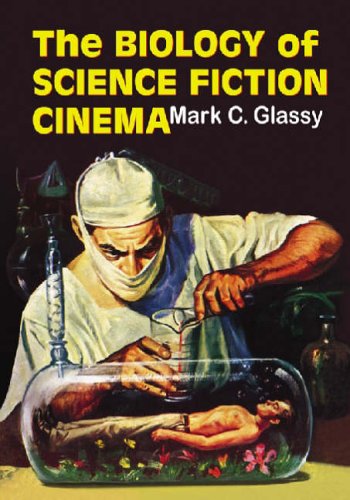
The affects of biology on the film industry is probably the topic that interests me the most, however it is extremely difficult to find articles that are relevent to it.

Public understanding of science based on movies:
"While popular culture is generally acknowledged to have some impact on public opinion of science, attempts to evaluate this relationship have focused largely on how the public perceives science, rather than how well they understand it". This teacher uses biology based movies for discussing the more interesting aspects of science such as cloning, artificial intelligence, and recombining animals.
Rose, Christopher. "How to Teach Biology Using the Movie Science of Cloning People, Resurrecting the Dead, and Combining Flies and Humans." Public Understanding of Science. 12.3 (2003): 289-296. Web. 27 Oct. 2013.

Effects of eugenics on the fiction film industry:
It goes through the different eras over the last 100 years and describes how the history of eugenics has affected a specific genre of movies (as film is a type of storytelling).
Kirby, David A. "The Devil in Our DNA: A Brief History of Eugenics in Science Fiction Films." Literature and Medicine. 26.1 (2007): 83-108. Web. 4 Oct. 2013.

Impact of films on student’s interest in science:
This article I found discuses how research was conducted in classes in a university. The students had to watch science fiction films in nonmajor related courses and they had to write a response discussing how realistic the films were to science. At the end of the course, a survey was taken to see how much interest the students had in science after the course.
Laprise, Shari, and Chuck Winrich. "The Impact of Science Fiction Films on Student Interest in Science."Journal of College Science Teaching. 40.2 (2010): 45-49. Web. 27 Oct. 2013.


Written Literature and Ancient Medicine:
This topic isn't quite as interesting as the previous one, but I still find it intriguing. There are several angles I could take with this research and it is intriguing to study ancient civilizations through their literature in regards to medicine.

Indians perception of wind in the body:
Early Sanskrit literature about the ancient five bodily winds. It goes on to determine the similarities to wind in the atmosphere and wind in the body. It focuses on the ancient Indian's views of bodily wind.
Zysk, Kenneth G. "The Bodily Winds in Ancient India Revisited." Royal Anthropological Institute of Great Britain and Ireland. 13. (2007): 105-115. Web. 27 Oct. 2013.

Using documents of ancient civilizations to understand disease and health:
The lectures share a concern for books, reading, and the life of the mind in the premodern age. It discusses treatments in early Western methods. Not my favorite source...
Stock, Brian. "New Literary History." Johns Hopkins University Press. 37.3 (2006): 489-501. Web. 27 Oct. 2013.

Ancient Greek literature affecting perceptions of female gynecology:
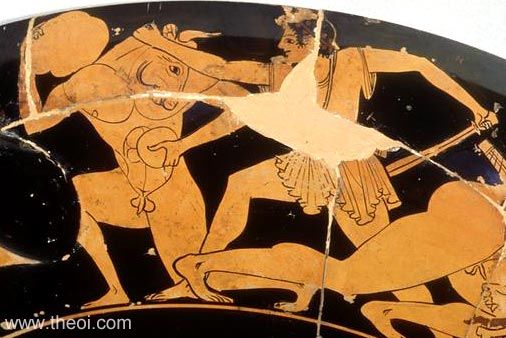
This article goes in depth about how the literature of ancient Greece allows a glimpse into the several problems/experiences of women with gynecological medicine and mythical constructions.
Bachvarova, Mary R. "Io and the Gorgon: Ancient Greek Medical and Mythical Constructions of the Interaction Between Women’s Experiences of Sex and Birth." Project Muse. 46.3 (2013): n. page. Web. 27 Oct. 2013.

Treatment for diseases- Islamic Dr in the Middle Ages:
It is about some papers written during the Middle Ages by an Islamic man about treating sicknesses of the poor. It was of a genre that was popular during this time period called "medicine for the poor".
Bos, Gerrit. "Ibn Al-Jazzār on Medicine for the Poor and Destitute." Journal of the American Oriental Society. 118.3 (1998): 365-375. Web. 5 Oct. 2013.

Sunday, October 20, 2013

People Made of Ink

"Among the books burned that night in 1933 was the play Almansor (1821) by the German Jewish writer Heinrich Heine. The play contains this famous and prophetic line: “Where they burn books, they will also ultimately burn people.”"- I absolutely loved this quote. It helped put the whole chapter into perspective for me. It really helps cement the point that Gottschall was making with the effects characters have on people. Surprisingly, this is the first chapter when I have agreed with Jon Gottschall almost entirely. His use of examples when describing how books change peoples personalities, while extreme, were very persuasive. Gottschall's examples included the ever argumentative and speculative questions surrounding Adolf Hitler.
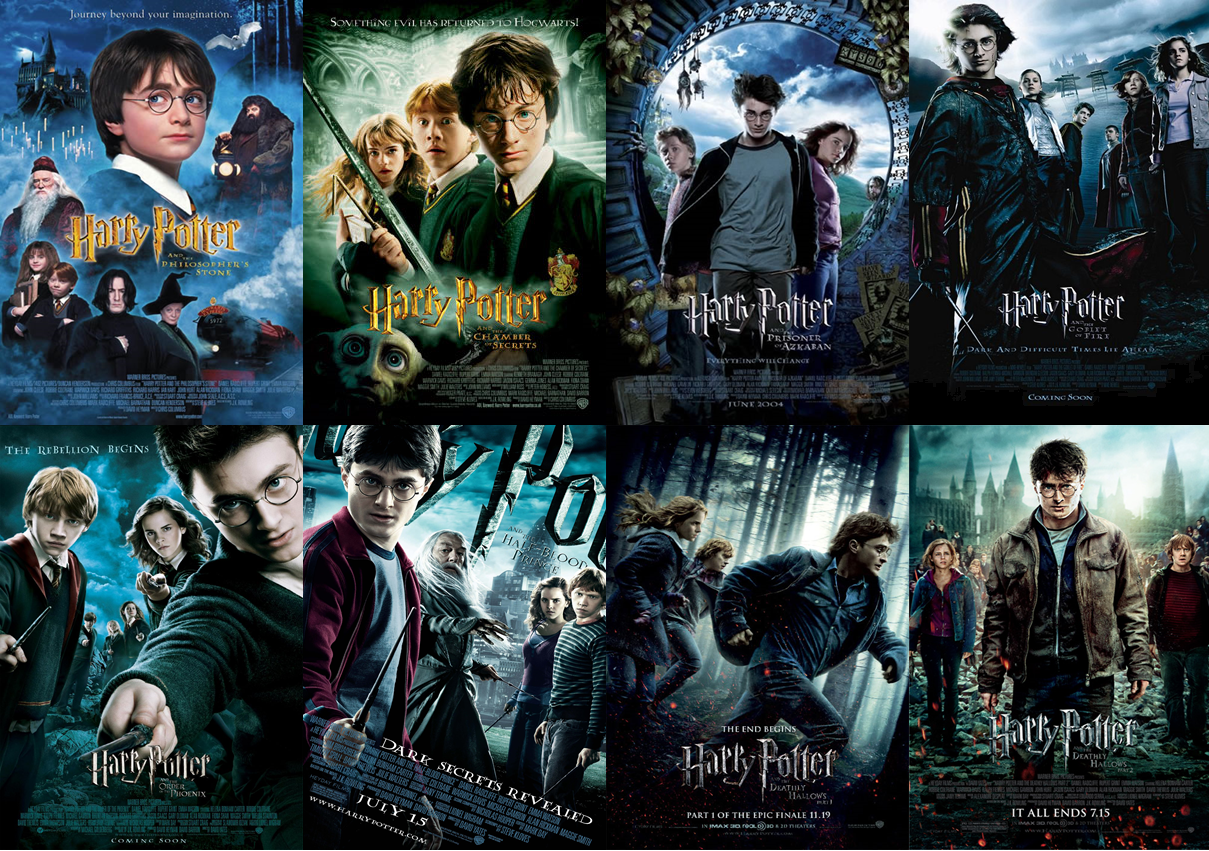
It is hard sometimes for us to think of Hitler of being human and the way that Gottschall described him was done to make it the story of a complicated life of a teenager with a passion. This is not much different than many other books (fictional and otherwise) that are used to suck in the reader. Our personality changes little by little with each story that we encounter. One such example of this is how J.K. Rowling changed the world through her enticing Harry Potter series. How many people's lives were changed as they anticipated the next book/movie to be released?
How much money did the average human spend trying to buy the latest "Bertie Botts Every Flavor Bean" package, the next book "Fantastic Beasts and Where to Find Them" with notes by Harry, Ron, and Hermoine (fictional characters!), or even the latest Harry Potter games? These characters that J.K. Rowling painted with words into our head have changed how people view others. They have changed the personalities of several young readers and brought new terms to conversations that would never have been otherwise.
On the other side of the spectrum, it is hard not to think that people have been changed by the comic books recently made into several popular movies ("Captain America", "Thor", "Iron Man", and the one that brought these heroes together, "The Avengers"). How many children have changed their games of make believe based on these movies being released? While these movies are very obviously make believe, there are parts of the brain that overlook this simple fact to exclaim the incredibleness and possibility of these movies.
There are hundreds of books, movies, or stories released that have had the ability to change the one consuming it. These stories have changed our own personalities, our interests, how we talk, or even some (such as Ray Bradbury's "Fahrenheit 451", which I disliked to a certain degree) have changed how we think and our ideas about right and wrong. Stories and especially the characters within, are able to change us in many subtle (and sometimes not so subtle) ways.

I will be the first to admit, my research took a definite hit this week due to the number of tests I had. I anticipate being able to pick up the slack now that my midterms and other exams are done for the time being. This research is going to take a much higher priority this week.

Sunday, October 13, 2013

Reading Responses

“Writers are often lonely obsessives, especially the literary ones. It’s nice to be told what we write is of social value."-Louise Erdrich (Belluck A1).
"Story is the counterforce to social disorder, the tendency of things to fall apart" (Gottschall 1634-1635).
I like these two quotes a lot mainly because they discuss the importance of story in society. I just thought I would share them because I enjoyed them so much. My two emphasis areas are biology and English.

Now onto the real post:
I began my research project soon after reading chapter 7 in Jonathan Gottschall's book "The Storytelling Animal" and an intriguing article in The New York Times, "For Better Social Skills, Scientists Recommend a Little Chekhov" by Pam Belluck. This article inspired me to question, what biological responses are triggered in the human brain in response to stories. Whether reading, listening, or watching, is the human response something that is the same in all or different depending on the person? When I performed the research before the actual test, I found an intriguing article about how humans exhibited biological responses to the characters in stories and their actions (Deen, McCarthy 1607-1615). I thought this could have been taken a bit farther and used to determine if humans have an empathetic response to the characters in their stories. I have set up several groups of people (of varying ages), chosen an excerpt of a book to read that will elicit an emotional response, and determine if it is similar to others reading the same excerpt. All that is left is to perform the actual experiment and determine what my data results in. I believe that this will work and that many will show to exhibit the same empathetic response to the character in the story and that it will exhibit itself in biological symptoms that can be mapped.
While this isn't an acutal research project that I have done, I would fine it as one intriguing to perform if given the ample time and resources. Does anyone else think it would have the same results? Does anyone think that the results will be different?

Belluck, Pam. "For Better Social Skills, Scientists Recommend a Little Chekhov." New York Times. 03 OCT 2013: A1. Web. 13 Oct. 2013.
Deen, Ben; McCarthy, Gregory; Reading about the actions of others: Biological motion imagery and action congruency influence brain activity, Neuropsychologia, Volume 48, Issue 6, May 2010, Pages 1607-1615, ISSN 0028-3932, http://dx.doi.org/10.1016/j.neuropsychologia.2010.01.028.
(http://www.sciencedirect.com/science/article/pii/S002839321000045X)
Gottschall, Jonathan (2012-04-10). The Storytelling Animal: How Stories Make Us Human (Kindle Locations 1634-1635). Houghton Mifflin Harcourt. Kindle Edition.

Monday, October 7, 2013

Fountains of Knowledge

I initially had a difficult time trying to think of which topics to write about. I have a hard time integrating biology and English for the most part. However, I did find a couple of topics that interested me and a source to go with each.
The first article the really seemed to stand out to me was on DNA and how eugenics have affected the film industry. It is called "The Devil in Our DNA: A Brief History of Eugenics in Science Fiction Films" by David A. Kirby. It is interesting to me because goes through the different eras over the last 100 years and describes how the history of eugenics has affected a specific genre of movies (as film is a type of storytelling). More specifically it discussed its affect on science fiction films such as Life Without a Soul (1916) or even the more popular X-men films. In the former of the two films (as an adaptation of the novel "Frankenstein" by Mary Shelly, the main character uses alchemy to create the perfect human. This shows a very rudimentary understanding of genetics and what makes humans the way that we are. In the latter of the two, the producers chose to take some time in the films and show how it is sections of DNA that have mutated to allow certain people to have so-called "superpowers". This film franchise has taken our much greater understanding of DNA and used it to make the story more plausible. This leads me to wonder how much advances in the field of science have added to the film industry (Kirby 83-108).

The second article I found was a vastly different type of problem. It is about some papers written during the Middle Ages by an Islamic man about treating sicknesses of the poor. It was of a genre that was popular during this time period called "medicine for the poor". This physician (who has a ridiculously long and complicated name) wrote a number of medical texts including one called "Medicine for the Poor and Destitute" which covered treatments for diseases from headaches to podagra (or gout). While it discussed the treatments for various ailments, it said little about the causes or the symptoms of them. The recipes for these remedies are considered somewhat "magical" in nature and contain ingredients such as urine or animal excrement. While this seems disgusting and unhealthy to us (because of the modern medicine and a better understanding of diseases, it helps to show what life must have been like in this time period. It is a glimpse into the story of a people that might otherwise have not been known to us (Bos 365-375).


Bos, Gerrit. "Ibn Al-Jazzār on Medicine for the Poor and Destitute." Journal of the American Oriental Society. 118.3 (1998): 365-375. Web. 5 Oct. 2013.
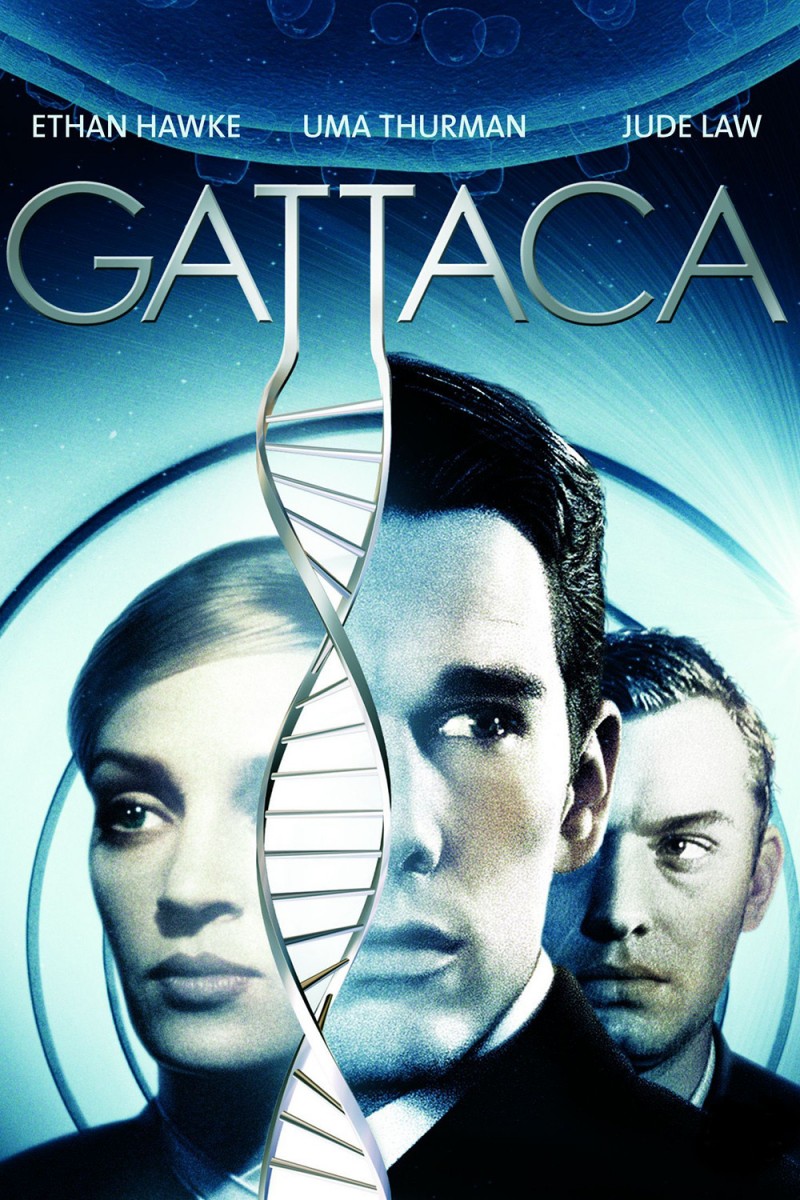
Kirby, David A. "The Devil in Our DNA: A Brief History of Eugenics in Science Fiction Films." Literature and Medicine. 26.1 (2007): 83-108. Web. 4 Oct. 2013.

Sunday, September 29, 2013

Alluding to the Brain

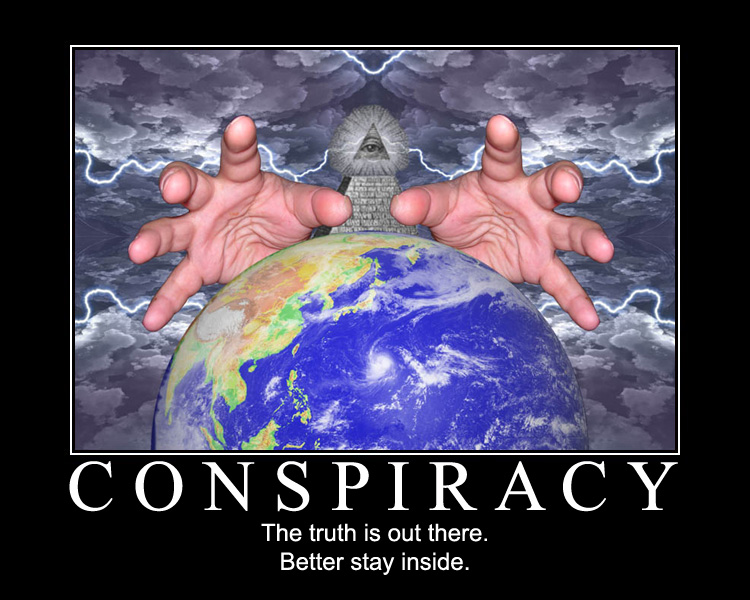
This weeks reading was particularly interesting to me because it allowed for the perfect way of combining my two emphasis areas. Aside from that, it was also interesting to me because he covered some very unique and diverse topics within one chapter. The three areas that piqued my interest the most were the split-brain patients, the mental-illness in writers, and conspiracy theories. The last interested me mainly because I have never been one to give much credit to conspiracy theorists. In one article I found about conspiracy theories it said that people who were more likely to participate in one such conspiracy are much more likely to believe in a similar one. I thought this was kind of fun and fascinating (Douglas, and Sutton). What causes people to invent conspiracy theories? The one that helped combine my two areas of emphasis (English and Biology) was the mental-illness in writers. Gottschall pointed out several authors that have written books while experiencing symptoms of mental illness (including addictions). One article I read searched through Norwegian, Danish, and Swedish libraries to find books by people with mental illnesses. While most of the books that they studied were autobiographies, this caused me to wonder; does the mental illness cause them to become writers? Or are they writers at heart and just do so when they find a topic to write about (their mental illness)? It is something that I wondered while reading this article ((Anderson, and Larsen)


Anderson, Anders Johan W., and Inger Beate Larsen. "Hell on earth: Textual reflections on the experience of mental illness." Journal of Mental Health. 21.2 (2012): 174-181. Web. 29 Sep. 2013.
Douglas, Karen M., and Robbie M. Sutton. "Does it take one to know one? Endorsement of conspiracy theories is influenced by personal willingness to conspire." British Journal of Social Psychology. 50.3 (2011): 544-552. Web. 29 Sep. 2013.

Sunday, September 22, 2013

Dreams Don't Come True...?

"Dreaming permits each and every one of us to be quietly and safely insane every night of our lives." (William Dement) "Trouble is the fat red thread that ties together the fantasies of pretend play, fiction, and dreams." (Jon Gottschall) While these two quotes seem to have relatively little in common, with some thinking they become closer than one could even "dream". Dreaming is something that each of us do each night whether we remember it or not. However, when we do remember our dreams, they are often rife with trouble (that so called "fat red thread"). In an article, it discusses how dreams are sites of creativity and agency as well as a means for inventing new forms (Kirtsoglou 321-335). While this article didn't directly discuss how dreams are insane, I was inclined to think about how most creative ideas are considered "insane" by those that can't quite grasp the beauty behind the idea. Another article I found completely wonderful was one discussing the similarities between animals dreams and humans dreams. It concentrated on some research done regarding neuroscience and behavioral biology. It goes into the belief that dreams "perform a crucial function in all animals." This article also goes in depth into the study mentioned in Gottschall's book about the cats with the centers removed from their brains to study their sleep cycles and dreams. I enjoyed very much reading the biological studies talked about within this article (Stevens 53).


Kirtsoglou, Elisabeth. "Dreaming the Self: Unified Approach towards Dreams, Subjectivity and the Radical Imagination." History & Anthropology. Sep 2010: 321-335. Web. 22 Sep. 2013.
Stevens, Anthony. "JUNGIAN PSYCHOLOGY, THE BODY, AND THE FUTURE." Journal of Analytical Psychology. Jul 1995: 353. Web. 22 Sep. 2013.